Home » How Architectural CGI Studios Shape Property Sales
How Architectural CGI Studios Shape Property Sales
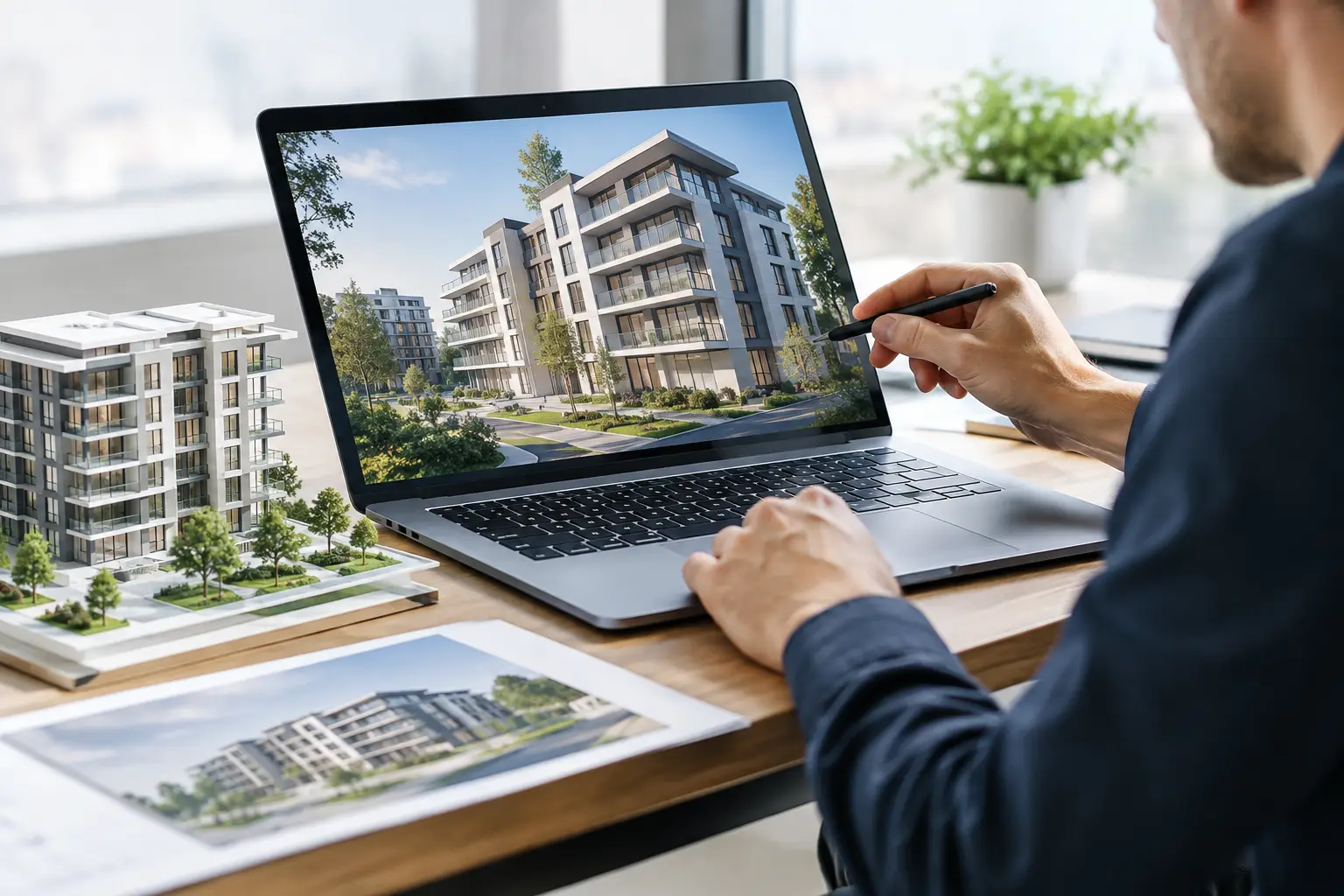
A planning consent board, a sales brochure and a launch campaign can all be judged before a single brick is laid. That is why architectural CGI studios have become a practical part of property marketing and design communication, rather than a final-stage embellishment. The right visual does more than show what a development may look like. It helps people understand scale, setting, material quality and the experience of being there.
For developers, architects, house builders and marketing teams, the commercial value lies in clarity. Buyers can picture the home or workplace. Investors can assess the proposition. Planning stakeholders can see how a scheme responds to its surroundings. Internal teams can make decisions from a shared, credible visual reference.
Why architectural CGI studios matter before construction
Property is difficult to market when its strongest features are still drawings, specifications and site plans. A technical elevation may be accurate, but it rarely communicates the warmth of a south-facing kitchen, the relationship between a new building and an established street, or the quality of a landscaped communal space. CGI turns that information into an accessible visual story without losing the discipline behind the design.
A considered exterior image can establish the character of a scheme at first glance. It can demonstrate façade materials, street presence, access, planting and the wider context. Interior CGI can make a floor plan feel tangible, showing natural light, proportions, finishes and furnishing choices in a way that supports a buyer’s decision-making process.
This is particularly valuable at off-plan stage. Sales and marketing activity often needs to begin long before practical completion, while designs are still being refined and construction programmes are under way. Strong visualisation gives campaigns something real to work with, helping sales teams start conversations earlier and allowing marketing materials to carry a consistent message from launch through to handover.
What separates effective CGI from a polished picture
Photorealism matters, but it is not the only measure of quality. An image may have convincing reflections and detailed textures yet still fail to support the scheme if the viewpoint is unhelpful, the landscape is generic or the styling does not reflect the intended audience. Effective CGI blends creativity with precision, then applies both to a clear commercial purpose.
The first question should be what the image needs to achieve. A planning visual may need to show massing and context with restraint. A premium residential brochure may call for a carefully composed lifestyle image that emphasises space, finish and aspiration. A build-to-rent campaign may need to communicate shared amenities, convenience and a sense of community. These are different briefs, even where the underlying model is the same.
Accuracy also deserves proper attention. Studios need reliable inputs, including current architectural drawings, material schedules, landscape information, furniture direction and, where relevant, survey or drone photography. The more complete the source material, the more confidently the visual can represent the intended scheme. That does not mean every detail must be fixed at day one. It means assumptions should be visible, agreed and managed rather than buried in a final render.
There is a balance to strike. Images should feel inviting, but they should not promise features that will not be delivered. A convincing scene relies on credible materials, proportionate furniture, realistic daylight and considered activity. It should give an audience confidence, not create an expectation that the completed development cannot meet.
The viewpoint is a marketing decision
The choice of camera angle often has more impact than clients expect. A high-level view may explain a site layout, but it can make a new home feel distant. A street-level image may show the arrival experience and material quality, but it may not communicate the full extent of the development. Interior views need to show enough of a room to establish scale while retaining a natural, lived-in composition.
This is where an experienced studio adds value. Rather than producing images simply because they are requested, it can advise on the most useful visual set for a brochure, website, hoarding, investor presentation or sales suite. Fewer, better-directed images can outperform a large set of interchangeable renders.
A joined-up approach creates stronger campaigns
CGI rarely operates alone. A launch may require site plans, floor plans, brand identity, brochure layouts, signage, digital adverts and print-ready collateral alongside the visualisations. When these elements are commissioned separately, visual consistency can become difficult to control. Colours drift, messages compete and last-minute changes create unnecessary duplication.
Working with a studio that combines CGI and graphic design gives the campaign a clearer foundation. The visual language can be established early, then carried through every format. Exterior imagery can inform the brochure cover. Interior styling can influence the colour palette. Site plans and floor plans can be designed to feel part of the same proposition rather than added as technical afterthoughts.
At TDR Creative, this joined-up approach allows clients to coordinate specialist CGI visualisation and design support through one collaborative team. It is especially useful where deadlines are tight, several decision-makers are involved, or a development needs to appear coherent across print, digital and on-site marketing.
Consistency is not purely aesthetic. It makes communication easier for the buyer. When the website, brochure and sales suite present the same standard of information and visual character, the development feels more considered and trustworthy. For marketing teams, it also reduces the time spent reconciling conflicting assets from different suppliers.
Choosing between stills, animation and interactive tools
A still CGI image remains one of the most flexible assets in property marketing. It works across brochures, press advertising, hoardings, social content, sales presentations and websites. It is usually the right starting point for a campaign because it establishes the core look and can be adapted for multiple placements.
However, some projects benefit from more immersive formats. Animation can be effective when a scheme has a journey to explain, such as a mixed-use development, a large regeneration site or a product with several key amenities. It can lead viewers from the surrounding area through the building and into selected spaces, helping them understand the proposition at a pace that static images cannot always provide.
Interactive 360-degree tours are useful when viewers need to explore options independently. They can support remote decision-making, show different rooms or finishes, and give sales teams a more engaging tool for appointments. Virtual staging has its place, too, particularly for completed but empty properties where potential buyers need help seeing how rooms can function.
The best choice depends on the audience, budget, programme and point in the customer journey. A small residential launch may gain more from a tightly art-directed set of stills and a strong brochure than from an ambitious animation. A national campaign with several house types may justify a more extensive asset library. The priority is to invest where the visual format will genuinely improve understanding or response.
How to brief an architectural CGI studio well
A productive brief sets the direction without attempting to dictate every pixel. Start with the commercial objective: selling homes, winning planning support, securing investment, leasing commercial space or presenting a design proposal. Then explain who needs to be persuaded and what they need to understand.
Provide the latest drawings and identify which information is confirmed, provisional or likely to change. References are helpful when they explain a desired mood, level of styling or photographic composition, but they should not replace a discussion about the specific scheme. A clear approval process is equally valuable. Agree who will provide consolidated feedback, how many review stages are expected and which decisions need to be made before final production begins.
Allow enough time for creative judgement. Fast delivery can be essential, but compressed programmes can limit the opportunity to test viewpoints, resolve materials or coordinate changes across related assets. A dependable studio will be transparent about what is realistic and will help prioritise the work that has the greatest immediate value.
CGI as a decision-making tool, not just a sales asset
The most valuable visualisations often begin working before they are published. They can help development teams compare material options, test landscape treatment, align consultants and identify aspects of a design that need further explanation. They can also reveal where a viewer may misread scale, access or the relationship between buildings.
That is why early collaboration pays off. When the CGI team understands the project strategy as well as the drawings, the resulting work is more focused and more adaptable. It becomes an asset that supports planning, marketing and stakeholder communication, rather than an image created only for a single deadline.
A development does not need the biggest possible image set to make an impression. It needs the right evidence, presented with care: a convincing view of the arrival, an interior that makes daily life easy to imagine, and collateral that carries the same promise at every touchpoint. Start by deciding what your audience needs to believe about the place, then commission visuals that give them a reason to believe it.
